
INSIDE THE LAB: WHAT ACTUALLY HAPPENS AT CARC LAB
By Lisa Knoll
15/09/2026
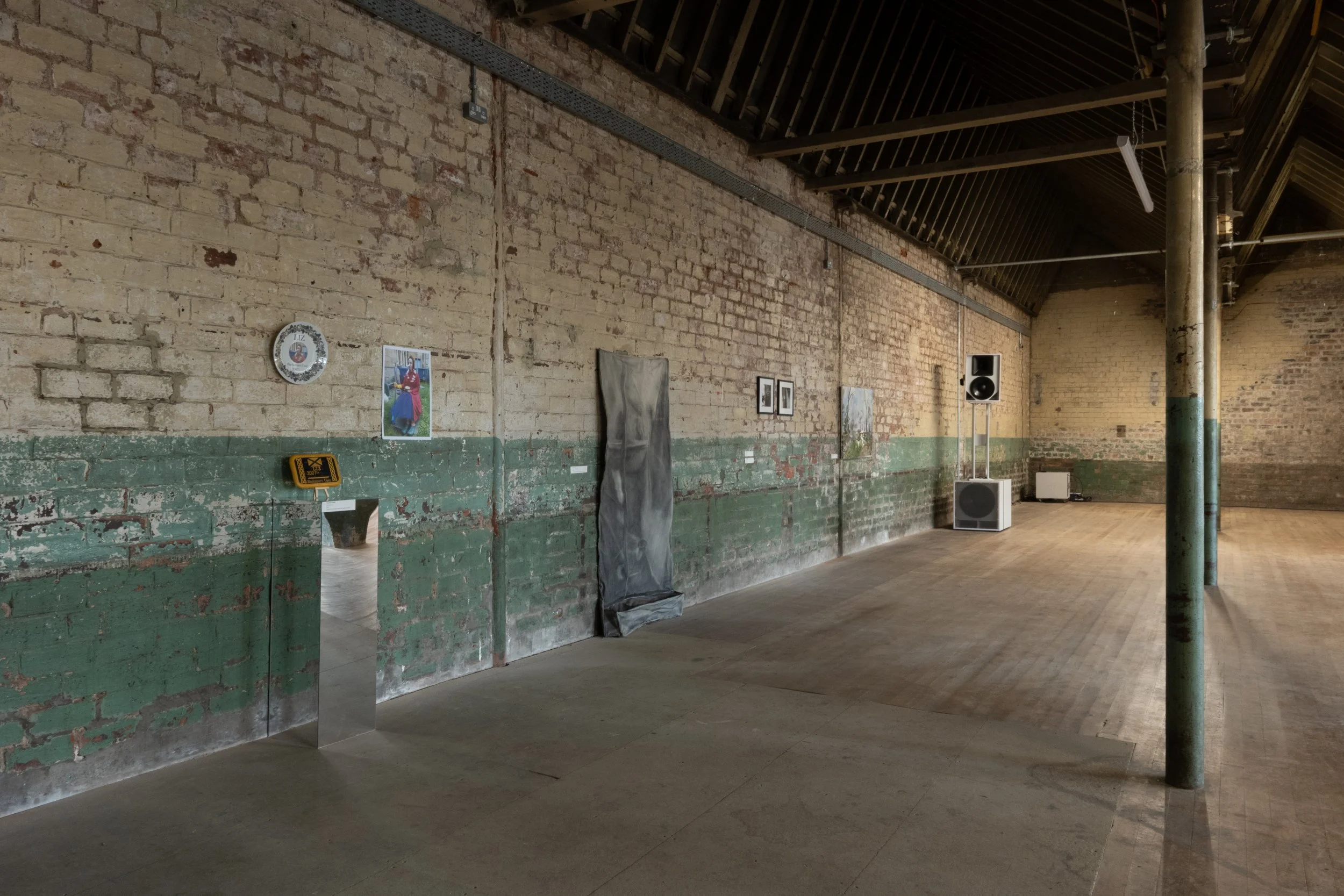
A look at the working method behind CARC’s flagship research space, beyond the mission-statement language
CARC Lab is easy to describe in outline and harder to describe in practice. On paper, it is the research strand of the Centre for Arts, Research and Culture devoted to shared enquiry - artists, researchers and occasionally gallery staff working through a question together rather than producing a single finished output. What that looks like week to week is less often explained, and it is worth setting out plainly.
A typical Lab cycle begins not with a brief but with a problem someone has been unable to resolve alone: a material that behaves unpredictably, an archive that resists a single reading, a research question too broad for one discipline to answer on its own. Fellows bring these problems into a shared room, quite literally - the Lab operates as a physical working space in London, supplemented by remote sessions for those unable to attend in person, and sessions tend to run as structured working sessions rather than seminars, with time built in for making, not only discussing.
What distinguishes the Lab from a conventional research seminar is its refusal to separate the theoretical from the practical. A session might move, within an afternoon, from a close reading of an archival document to a hands-on test of a material technique it describes, and back again. This is deliberate: CARC’s founding premise is that art functions as a legitimate form of research knowledge in its own right, not simply as an illustration of ideas developed elsewhere, and the Lab’s structure is built to make that premise operational rather than aspirational.
The Lab’s outputs are correspondingly varied. Some cycles produce a public-facing exhibition; others produce nothing exhibitable at all, only a sharper version of the original question, carried forward into a fellow’s individual practice. CARC treats this second outcome as a legitimate result, not a failure to produce, which marks a genuine departure from funding models that measure research chiefly by what can be displayed.
For those considering an application, the practical implication is straightforward: CARC Lab suits people who can tolerate genuine uncertainty about where a working session will end, in exchange for sustained, cross-disciplinary attention to a problem that a solitary studio practice would take far longer to work through alone.